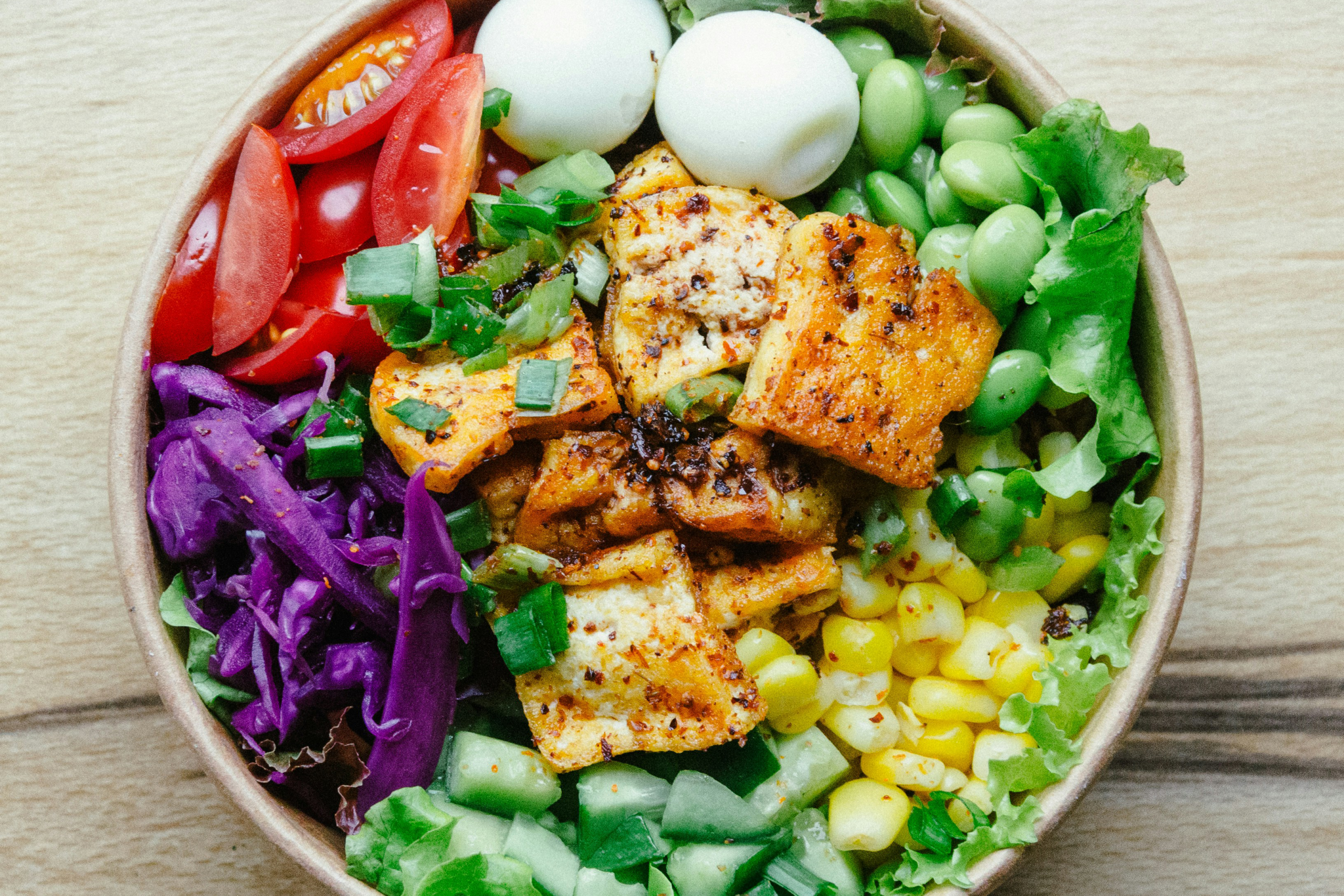
Good nutrition, adequate protein intake, and hydration support muscle health, balance and stability, recovery after a fall, and overall independence.
As we age, several changes can quietly affect how well we are nourished. Many people notice they just aren’t as hungry as they used to be. We may also find we don’t get thirsty until we’re already a little dehydrated. At the same time, physical changes such as dental concerns, fatigue, or limited mobility may make eating and drinking more difficult.
Research in older adults shows that nutrition plays an important role in fall risk. Key findings include:
- Poor nutrition is common among older adults and might be associated with muscle loss (sarcopenia) and weakness as we age. This can contribute to an increased risk of falling.
- Food access, chronic conditions, and isolation can increase risk.
Use the self-screening tool below to understand your own nutrition health. Be sure to discuss your results from the self-screening tool with your healthcare provider.

Learn more about nutrition and hydration from Kristi Cooley and Pam VanKampen, Registered Dietitians. Watch the Age Well Series presentation by clicking above.
The Self-MNA® Mini Nutritional Assessment can be used by older adults (ages 65+) or caregivers as a way to identify poor nutrition
Explore the important connection between nutrition, hydration, and falls prevention below. Learn how healthy eating, proper hydration, muscle strength, medication interactions, and overall wellness can help support independence and mobility as we age.
Protein throughout the day helps muscle stay!
Protein helps maintain and rebuild muscle, which is essential for balance, mobility, and fall prevention. As we age, we naturally lose muscle mass, especially if we are not getting enough protein or staying physically active. Protein needs may also increase during times of illness, recovery, or reduced physical activity. As we age, we may need to be more intentional about getting enough protein to help preserve muscle, support healing, and maintain strength. For the best results, include protein at each meal and snack rather than eating most of it at one meal.
Note: If you have kidney disease and are not on dialysis, your protein intake may need to be limited. Follow your healthcare provider’s recommendations.
Hydrate throughout the day for a better gait!
Water supports nearly every system in our bodies, including our muscles, heart, and brain. Even mild dehydration can affect attention, reaction time, balance, and short-term memory, increasing the risk of falls. As we age, our sense of thirst decreases, making it easier to become dehydrated without realizing it. Sipping fluids regularly throughout the day is more effective than waiting until you feel thirsty. Keep water within reach, and remember that milk, broth, herbal tea, and other beverages can also help us stay hydrated.
Note: Some medications, hot weather, illness, or increased physical activity may increase our fluid needs. Talk with your healthcare provider if you have a medical condition, such as heart or kidney disease, that requires you to limit fluids.
Getting enough vitamin D and calcium can help reduce bone loss as we age. The best source of vitamin D is sunlight! Though, with our cold and cloudy Wisconsin winters, it can be difficult to get enough vitamin D from the sun year-round. Both vitamin D and calcium can be found in the foods we eat, but a supplement may be needed. However, vitamin D and calcium supplements may interact with certain medications. Be sure to talk to your provider or pharmacist about possible interactions between your medications and these supplements and discuss what dosage you should take. You may also consider talking to a dietitian about the foods you eat and how your diet can impact one’s bone health.
Check out these Meal and Snack Ideas for simple tips.
For more recipes and meal ideas, check out the Greater Wisconsin Agency on Aging Resources’ (GWAAR) NOURISH Step Page.
Consider participating in the Senior Nutrition Program! This program offers more than a meal – enjoy nutritious meals, connect with others, and discover resources for healthy aging in your community. People aged 60 and older can access:
Enjoy nutritious meals, connect with others, and discover resources for healthy aging in your community.
Find a Location Near You
Stepping Up Your Nutrition was developed to bridge the gap between nutrition education and falls prevention by giving older adults realistic, practical strategies to apply right away. Rather than simply presenting nutrition facts, the workshop helps participants connect those concepts to everyday habits like meal timing, protein intake, hydration, and even reading food labels.
The goal is to help participants understand how these daily choices support strength, balance, recovery, and overall healthy aging. The workshop is interactive, engaging, and easy to apply, making nutrition information practical rather than overwhelming.
The workshop is offered as a single 2½-hour session, making it accessible and easy to fit into participants’ schedules.
The Stepping Up Your Nutrition Workshop was developed by the Maintaining Active Citizens (MAC), Inc. Living Well Center of Excellence, the Maryland Department of Aging, and nutrition professionals who provided guidance throughout its development. Abbott provided support for the development of the workshop and materials.