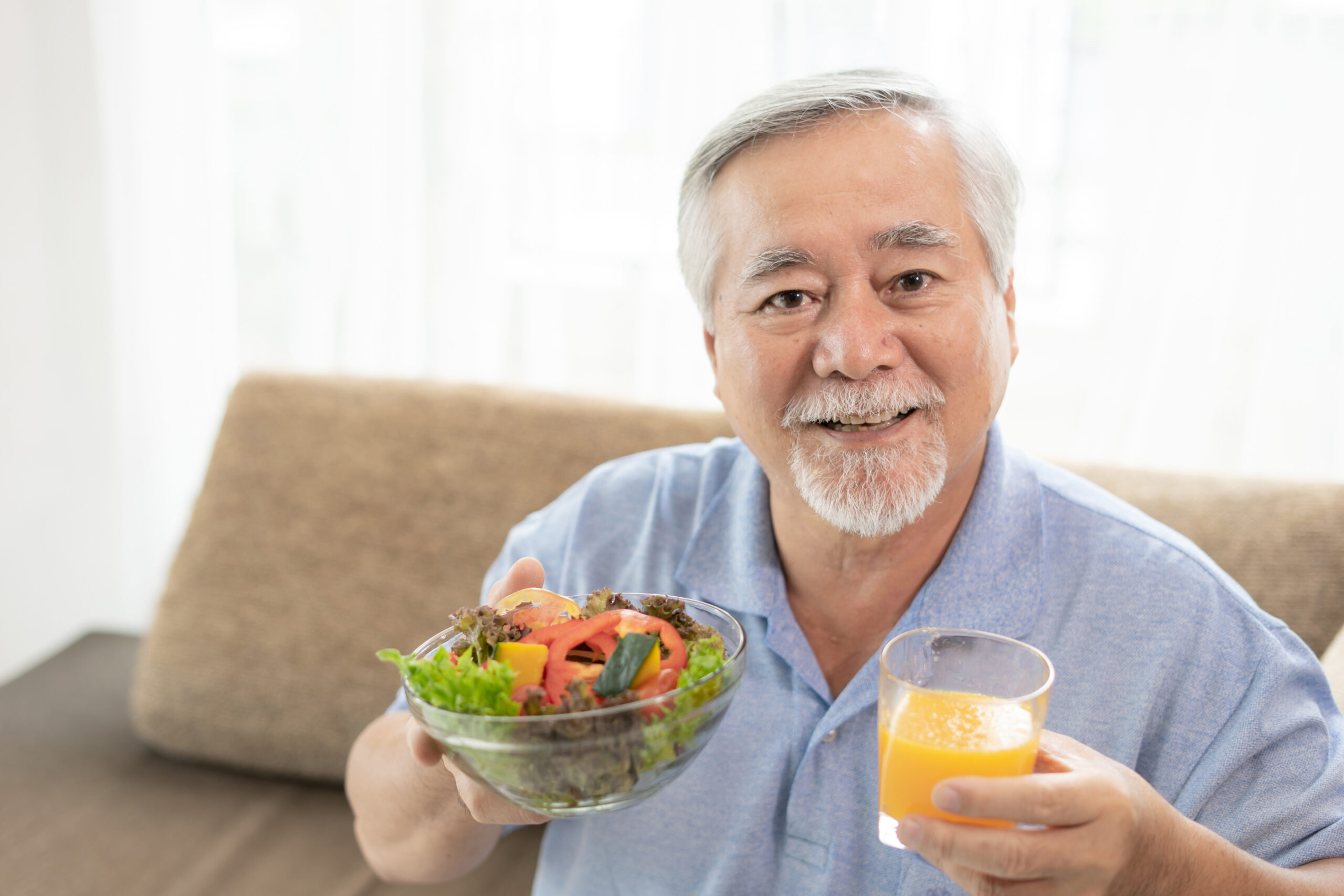
Small changes to our daily nutrition habits can help us stay strong, steady, and independent! Good nutrition and staying hydrated are important in helping us prevent falls (and other chronic conditions). As we age, getting enough protein, drinking enough fluids, and choosing foods that support bone health can help keep our muscles strong, support balance, and help us recover if we do experience a fall. Find some tips below from the Falls Free Wisconsin Coalition and Wisconsin Institute for Healthy Aging.
Power Up with Protein
Protein helps build and maintain muscles. Strong muscles support balance, movement, and everyday activities like walking, climbing stairs, and getting up from a chair. As we age, we naturally lose some muscle, so getting enough protein becomes especially important. Try including a source of protein with every meal and snack instead of eating most of your protein at just one meal. Some easy options include:
- Eggs, milk, yogurt, and cheese
- Chicken, fish, turkey, and lean meats
- Beans, lentils, nuts, and peanut butter
- Cottage cheese and protein-rich snacks
Eating enough protein can also help our body heal and rebuild muscle after an illness or injury.
Sip Your Way to Better Balance
Staying hydrated does more than quench our thirst. Water helps our muscles, heart, and brain work properly. Even mild dehydration can affect our attention, reaction time, memory, and balance, which may increase our risk of falling.
As we get older, we may not feel thirsty as often, even when our bodies need fluids. Don’t wait until you feel thirsty to take a sip!
A few easy ways to stay hydrated:
- Keep a glass or bottle of water nearby throughout the day.
- Take regular sips, even when you aren’t thirsty.
- Enjoy other fluids, such as milk, broth, and herbal tea.
- Choose foods with high water content, such as watermelon, oranges, cucumbers, and soups.
Some health conditions and medications can affect how much protein and fluids we need. If you have been told to limit protein or fluids because of a heart or kidney condition, follow your healthcare provider’s recommendations.
Build Strong Bones with Calcium and Vitamin D
Calcium and vitamin D work together to support bone health. Getting enough of both can help protect against bone loss as we age. This is important because strong bones can help reduce the risk of serious injury if a fall happens.
We can get calcium and vitamin D from foods such as milk, yogurt, cheese, and fortified foods. Some people may need a supplement, too. Before starting a supplement, talk with your healthcare provider or pharmacist. Supplements can interact with certain medications, and the right amount can vary from person to person.
Make Mealtime a Time to Connect
Eating well isn’t just about what’s on our plate. Sharing meals with friends, family, or neighbors can make eating more enjoyable and help us stay connected. If preparing meals has become difficult or you sometimes find yourself skipping meals, there are resources that can help! Wisconsin’s Senior Nutrition Program offers community dining opportunities and home-delivered meals for adults age 60 and older. These programs provide nutritious food and a chance to connect with others.
While falls are common, they do not have to be a normal part of aging. If you have experienced a fall, you’re not alone. According to the Centers for Disease Control and Prevention (CDC), more than 1 in 4 adults aged 65 and older fall each year. Small, everyday choices can help support our strength, balance, and independence. Try adding a protein-rich snack, keeping water within reach, or inviting a friend to share a meal.
Want to learn more? Visit FallsFreeWI.org/Nutrition for helpful resources, nutrition tips, meal and snack ideas, and a nutrition self-screening tool. You can also explore additional tools on our website and learn easy ways to increase your fall resilience.