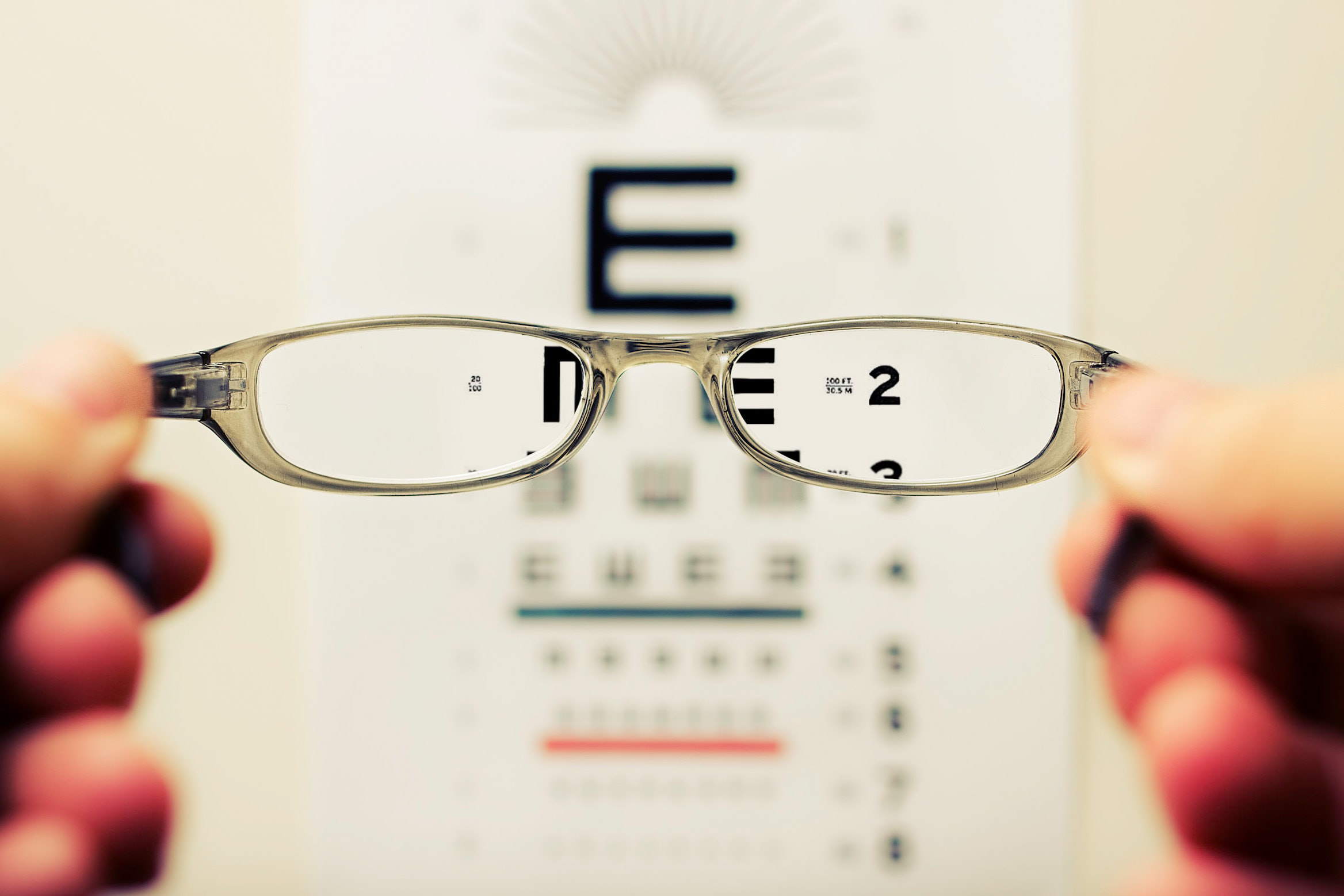
Our vision can change as we age. Changes such as contrast sensitivity, difficulty with glare, depth perception, decreased peripheral vision, and needing more lighting to see are some of the things that we must learn to adapt to.
Vision and hearing play an important role in helping us stay balanced, mobile, and independent. Research shows that poor vision can more than double our risk of falling as we age, and having both vision and hearing problems increases that risk even more (learn more about hearing and ear health). Vision changes can make everyday activities more difficult. We may be tempted to keep doing things the same way or avoid activities altogether. But pushing ourselves too hard or becoming less active can increase our risk of falling. Staying active helps us maintain strength and balance, while staying connected with others can help us keep moving and doing the things we enjoy. Don’t brush off changes to your vision! If your vision has changed, talk with your healthcare provider. Here are some things to keep in mind:
Get an eye exam at least once a year. Regular eye exams can catch vision changes or eye disease early and make sure your glasses or contact lens prescription is up to date. If you get a new prescription, give your eyes time to adjust, and take a little extra care while walking and moving around until you get used to the change.
According to the Centers for Disease Control and Prevention (CDC), vision problems often occur along with other long-term health conditions. Managing these conditions may require medications that can sometimes affect your balance, strength, or vision. Talk with your healthcare provider about your health conditions and ask if they could affect your vision or increase your risk of falling.
It may lead you to push yourself to do things without allowing accommodations for changes in eyesight or you may isolate yourself because of your vision changes, which can increase your risk of falling. Isolating yourself may mean that you reduce your activity, which can lead to decreased muscle strength and balance, which in turn can lead to a fall.
Use sunglasses and/or wear a hat to reduce glare and protect your eyes from UV rays in the sun.
Keep your home well lit! Replace burned-out light bulbs as soon as you can and ask for help if you need it. Add nightlights in bedrooms, hallways, and bathrooms, and always turn on the lights before using stairs or walking through dark areas, even during the day. Learn more about home safety.
When you are walking, look ahead instead of down at your feet. Keep your eyes on the path in front of you so you can spot changes in the ground, obstacles, or anything else that may affect your balance.
Share this page’s information with others via the page download: